
Demand for Island Properties Is High, With Some Investors Buying Sight Unseen
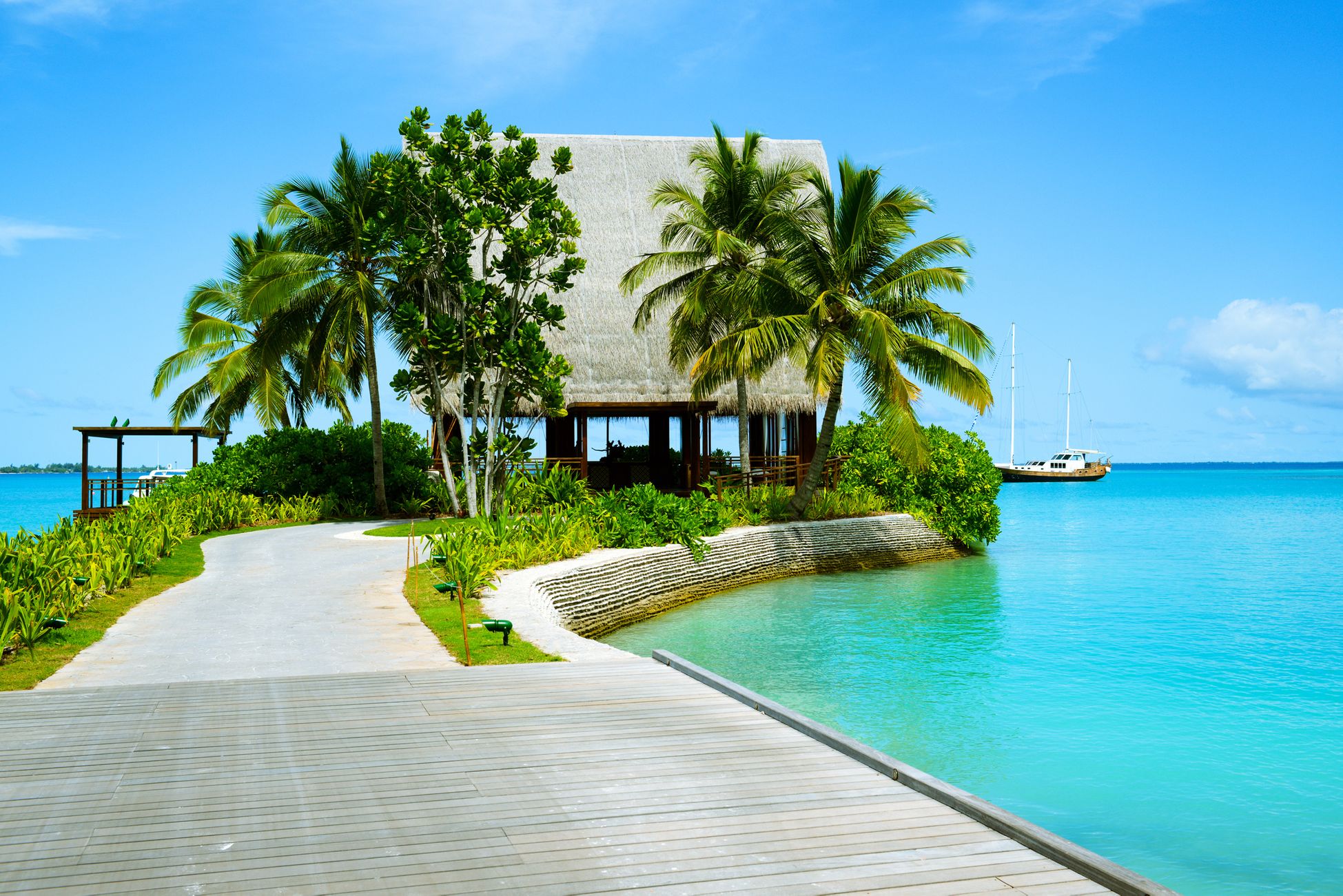
With Covid-19 cases down, the Caribbean is more attractive than ever so buyers should act soon
With the northern hemisphere in the middle of winter and many regions still under pandemic lockdowns, wealthy buyers are more motivated than ever to invest in the Caribbean and other island getaways.
Many of the same islands where these investors vacation have managed to keep Covid-19 transmissions rates low, by locking down early and instituting strict travel restrictions. Now, with offices and schools still operating remotely in many cities, demand is growing from high-net-worth buyers ready to commit to secondary homes in countries with warm climates where life has largely returned to normal.
“We’ve found that because these international high-net-worth individuals were in lockdown, they took the opportunity to look at real estate, and it piqued their interest when they saw Bermuda was managing its numbers,” said Penny MacIntyre of Rego Sotheby’s International Realty in Bermuda. “The WHO [World Health Organization] validated Bermuda as one of the safest places in the world, and they saw it was affording a lifestyle where they could move around and dine in restaurants.”
For many already familiar with such island destinations, that sense of safety has persuaded them to look into second- or third-home purchases. With activity already heightened and pent-up demand building among buyers who cannot travel, getting into the market now—even if that means buying sight unseen—could mean beating the added competition when travel restrictions ease in the future.
“We’ve seen an uptick in purchases since the pandemic, from people looking for an escape from big cities,” said Neal Sroka, founder of Sroka Worldwide, a consulting firm for high-end international real estate. “They do buy without visiting, provided they know the product, so it’s much easier to sell on a branded hotel basis rather than individual homes.”
Some island destinations have seized upon this moment by offering easy pathways to citizenship for investors, or special permits for those working remotely. Bermuda, for instance, has a “digital nomad visa,” a one-year residential certificate for those who want to live in the country while working remotely in another. Barbados recently began offering a similar program, as has the Cayman Islands, drawing a new wave of buyers.
And in St. Kitts and Nevis, a citizenship-by-investment scheme confers citizenship to buyers who make a real estate purchase of $400,000 or more. This has enticed many American buyers, who can use a St. Kitts and Nevis passport as a back door to Europe.
At the ultra-luxury end of the market, brokers for private islands are reporting a flood of inquiries from investors, although transactions remain low.
“The interest is definitely there to find places in isolation but the purchase of these islands is usually delayed until the pandemic is over,” said Farhad Vladi of Vladi Private Islands, which lists islands for sale and rent in the Mediterranean, Caribbean, and around the globe. “There is very little activity on the island market at the moment.”
But those with the knowledge and means to make a purchase now have an edge, as other would-be buyers less familiar with these locations are itching to make a move the moment travel restrictions are loosened.
“We’re seeing a lot of curiosity from people imagining a different kind of life,” said KC Hardin, co-founder of real estate development company Conservatorio in Panama. “People are starting to book trips, with the mindset of, ‘As soon as I get the vaccine, I’m getting out of here.’
Demand for Island Properties
For many high-end real estate investors, the pandemic has changed their priorities and encouraged them to reconsider their lifestyles.
“If you have the means, owning a second or third home became more of a necessity out of Covid,” Mr. Sroka said. “Now people do believe they need the ability to go somewhere they feel that they’re relatively safe.”
Such buyers typically have vacationed in island destinations in the past and are now committing to longer-term investments. Some are taking advantage of programs like Barbados’ Welcome Stamp visa, a 12-month residency permit for those working for overseas employers, while pursuing permanent residency. This program has already lured nearly 2,000 visa applicants, according to the island’s tourism board.
These schemes, coupled with the familiarity of branded residences, has convinced some to make investments even as travel restrictions prevent them from seeing properties in person.
“A number of people are making offers sight unseen,” said Eric Johnson, sales director at the Four Seasons Nevis. “They’re familiar with Nevis and have seen the homes they’re purchasing. With a branded residence, there’s a lot more confidence, because you know the ownership of the hotel and the strength of the brand.”
Some buyers, on the other hand, are seeking more privacy and individuality from their island purchase, and are willing to invest from overseas.